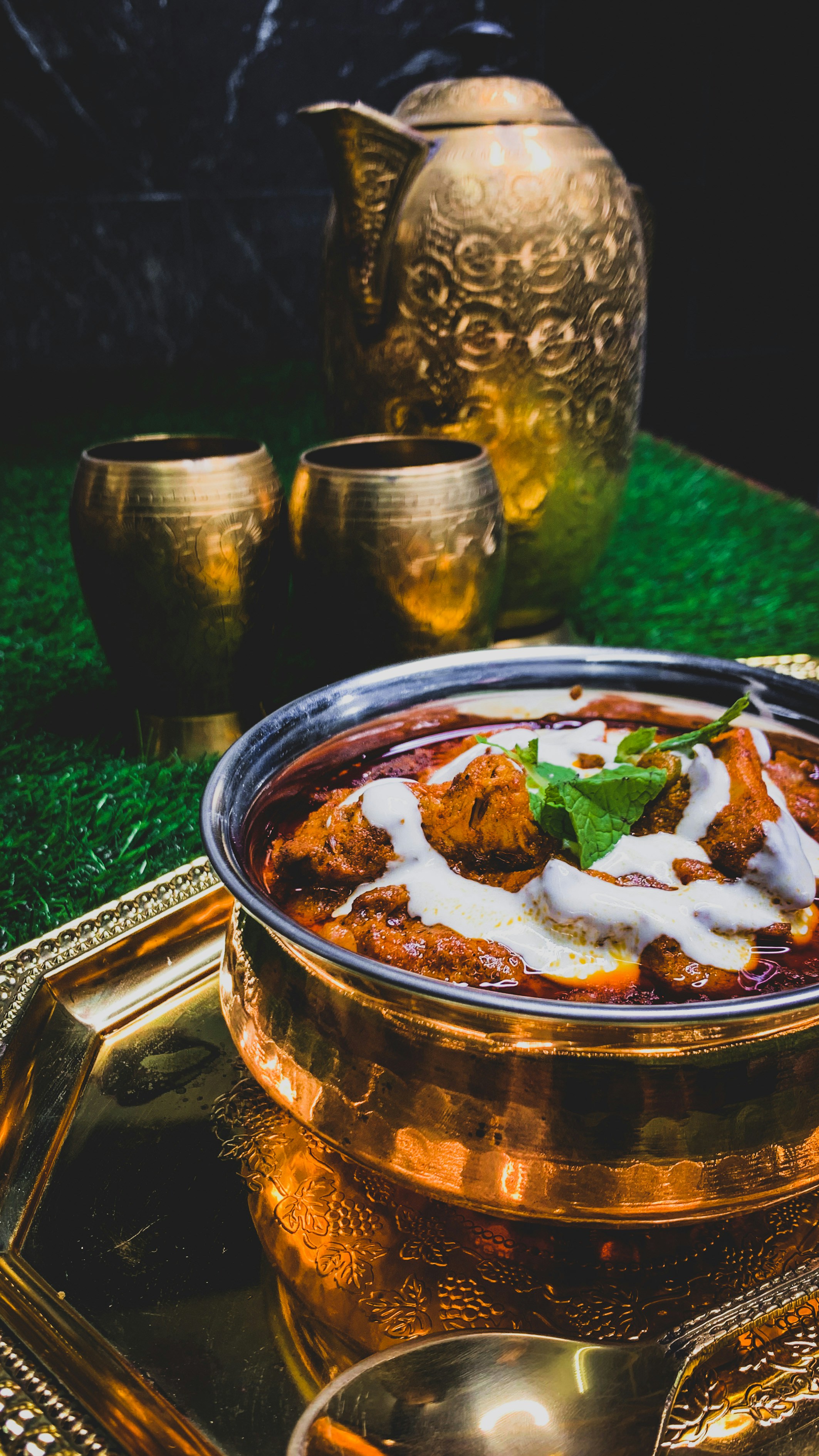
Indian cuisine is one of the most diverse in the world — a subcontinent with 28 states, each with its own culinary traditions, ingredients, and techniques. The dishes that become globally famous tend to be a small slice of that diversity, mostly from North India, mostly involving rich sauces. But they became famous for a reason. Here's what each one actually is.
1. Butter Chicken (Murgh Makhani)
Probably the most ordered Indian dish outside India. Tender chicken pieces (usually pre-marinated and cooked in a tandoor or oven) served in a smooth, mildly spiced tomato and cream sauce enriched with butter. The sauce is deliberately mild and slightly sweet — designed to be universally appealing rather than challenging. Origin: Delhi, 1950s, reportedly created by Kundan Lal Gujral and Kundan Lal Jaggi at Moti Mahal restaurant. The story goes that leftover tandoori chicken was simmered in a tomato-butter sauce to prevent it drying out. The dish that resulted became one of the most replicated in the world.
2. Chicken Tikka Masala
Often confused with Butter Chicken but distinctly different. Chicken tikka (boneless chicken marinated in spiced yogurt and cooked in a tandoor until charred at the edges) served in a more aggressively spiced, tangier tomato-cream sauce. The sauce has more garam masala, more complexity, and less of the mild sweetness of Butter Chicken. Where it was created is genuinely disputed — both Punjab and Scotland claim it. What's clear is that it became the bestselling dish in British Indian restaurants and helped define what the world thinks "Indian food" means.
3. Biryani
Long-grain basmati rice cooked with meat (usually chicken, lamb, or goat), aromatics (whole spices, caramelized onions, fresh herbs), and saffron in a sealed pot — a technique called dum cooking where steam trapped inside slowly cooks everything together. Every region of India has its own biryani: Hyderabadi is the most famous globally, Lucknowi uses a different layering technique, Kolkata adds potatoes, Malabar from Kerala uses coconut and short-grain rice. A good biryani is one of the great rice dishes in any cuisine in the world.
4. Dal Makhani
Whole black lentils (urad dal) and red kidney beans slow-cooked overnight, then finished with butter, cream, and a tomato-based masala. The signature characteristic is the silky, almost smoky richness that comes from extremely long cooking — traditional recipes call for 12-24 hours on low heat. Originally from Punjab, it became the signature dish of the Moti Mahal restaurant in Delhi and spread from there. One of the dishes that rewards patience: a version cooked for 2 hours tastes fine; a version cooked for 12 hours tastes extraordinary.
5. Palak Paneer
Fresh spinach purée cooked with aromatics and spices, with cubes of paneer (Indian fresh cheese) added at the end. The spinach is usually blanched and blended smooth rather than left leafy, producing a vibrant green sauce. Simple in concept, excellent in execution when made well — the paneer should be soft enough to yield to a spoon, the spinach sauce should taste of fresh greens rather than canned. A vegetarian dish with a dedicated following among both vegetarians and non-vegetarians.
On paneer: paneer is made by curdling hot milk with an acid (lemon juice or vinegar), then draining and pressing the curds. It doesn't melt when heated, which makes it uniquely suited to the high-heat cooking of Indian cuisine. There's no direct Western substitute — halloumi is sometimes used but behaves differently.
6. Rogan Josh
A Kashmiri lamb curry with a deep brick-red color from Kashmiri chillies (which give vivid color with moderate heat) and a complex spice profile built on whole spices — cardamom, cloves, cinnamon, fennel. The lamb is cooked slowly until extremely tender in a sauce that's more aromatic than fiery. Rogan Josh is one of the most nuanced dishes in the Indian canon — it rewards attention to spice quality in a way that less complex dishes don't.
7. Chole (Chana Masala)
Chickpeas cooked in a tangy, spiced tomato-onion gravy. The dish has a characteristic slight sourness that comes from dried mango powder (amchur) or tamarind — a flavor note that distinguishes it from milder chickpea curries. A staple of Punjabi street food, often served with bhatura (a deep-fried bread puffed up like a balloon) or rice. Hearty, protein-rich, and deeply satisfying — one of the best arguments for vegetarian Indian cooking.
8. Samosa
A triangular pastry filled with spiced potatoes and peas (sometimes meat), deep-fried until golden and crisp. The pastry shell is thicker and crunchier than most Western pastry, deliberately designed to hold up to frying and to provide textural contrast to the soft filling. Served with mint chutney (bright, sharp, herby) and tamarind chutney (sweet, sour, deep) together. One of India's greatest street foods and possibly its most globally recognized snack.
9. Tandoori Chicken
Chicken marinated in yogurt and spices (notably turmeric, cumin, coriander, and chilli), then cooked in a tandoor — a cylindrical clay oven that reaches temperatures of 400-480°C, far higher than a domestic oven. The intense heat chars the outside while keeping the inside moist and creates the characteristic smoky, slightly charred flavor that no other cooking method properly replicates. The bright red-orange color traditionally comes from food coloring, not spice.
10. Gulab Jamun
The most beloved Indian sweet: small balls of milk-solid dough (khoya) fried until deep golden, then soaked in a fragrant sugar syrup flavored with cardamom and rose water. Served warm, they're soft, syrupy, and intensely sweet — a dessert that makes no apologies for its richness. The name translates roughly to "rose water plum," referring to the syrup and the color. A meal at an Indian restaurant that ends without gulab jamun is a missed opportunity.