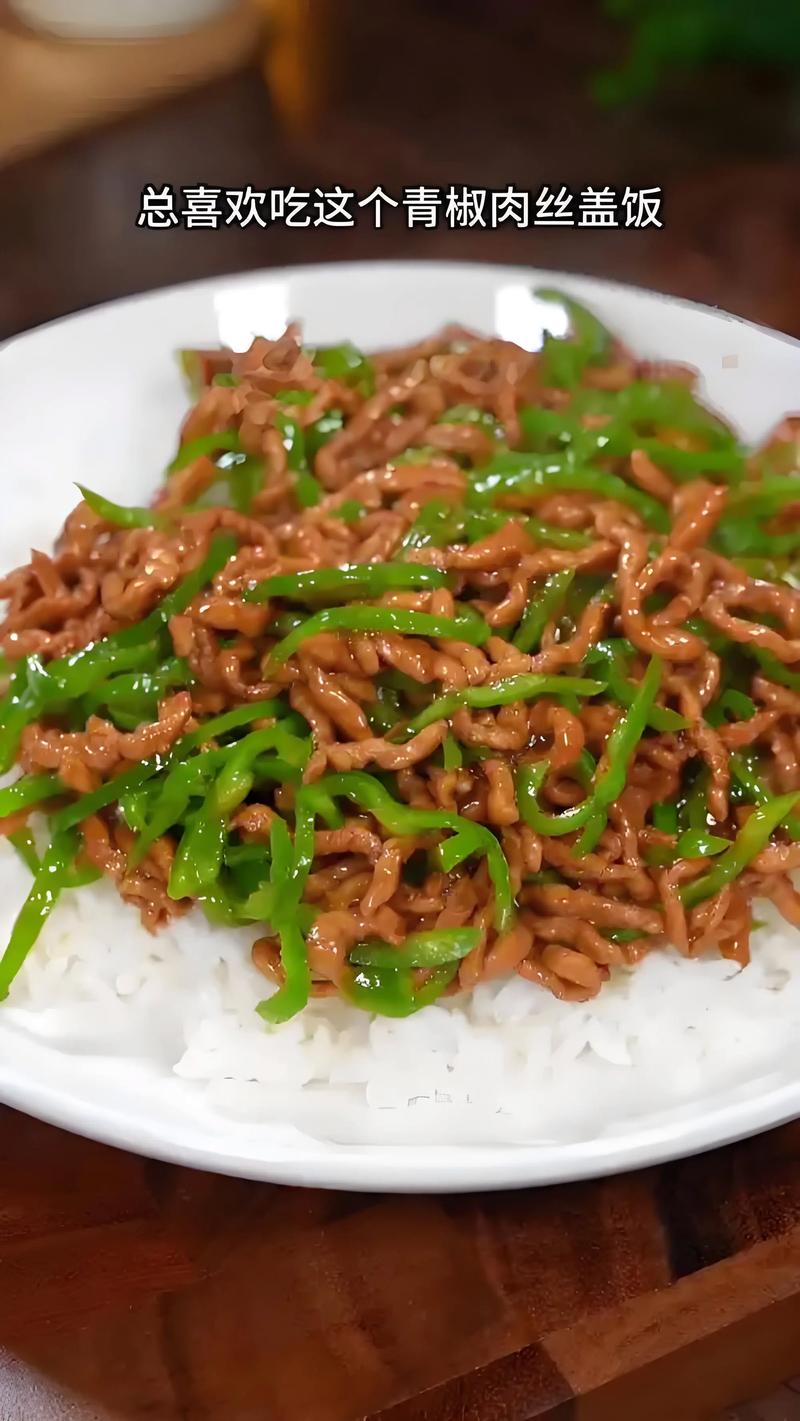
Most coverage of Sichuan food fixates on the fiery, numbing dishes — mapo tofu, boiled fish, hot pot — and for good reason, since that's what makes the cuisine internationally famous. But the everyday reality of Sichuan home cooking includes plenty of dishes that are quick, mild, and built for a weeknight rather than a feast. Green pepper pork stir-fry (青椒肉丝, qīngjiāo ròusī) is exactly that — the kind of dish a Sichuan household might cook three times a month without thinking twice about it.
What it actually is
Thin strips of pork (the "丝," sī, in the name specifically means julienned or shredded) stir-fried quickly with green bell peppers or Chinese green peppers, seasoned simply with soy sauce, a touch of Shaoxing wine, garlic, and ginger. No elaborate sauce, no hour of preparation — the whole dish comes together in under fifteen minutes once the ingredients are cut, which is exactly the point. It's a staple precisely because it's fast, uses cheap and accessible ingredients, and reliably tastes good.
Why the cutting technique matters more than the seasoning
This dish lives or dies on consistent julienning — both the pork and the peppers need to be cut into thin, even matchsticks of similar size, so everything cooks at the same rate in the brief time it's in the wok. Uneven cuts mean some pieces overcook while others stay raw, which is the most common reason home versions of this dish disappoint compared to a well-made restaurant version.
Ingredients (serves 2-3)
- 250g pork loin or tenderloin, cut into thin matchsticks
- 2-3 green bell peppers (or Chinese green peppers if available), julienned to match the pork
- 1 tablespoon light soy sauce
- 1 teaspoon dark soy sauce
- 1 tablespoon Shaoxing wine
- 1 teaspoon cornstarch
- 3 garlic cloves, sliced
- 1-inch piece ginger, julienned
- 2 tablespoons neutral oil
- ½ teaspoon sugar
- Salt and white pepper to taste
Method
Step 1: Marinate the pork
Combine the pork strips with the dark soy sauce, half the Shaoxing wine, and the cornstarch. Mix well and let sit for 10-15 minutes. This brief marinade (a technique called "velveting" in Chinese cooking) keeps the pork tender and gives it a light coating that helps it stay juicy through the high heat of stir-frying.
Step 2: Prep everything before cooking
This dish moves fast once it starts. Have the peppers julienned, garlic and ginger sliced, and sauces measured out before you turn on the heat.
Step 3: Sear the pork
Heat the oil in a wok over high heat until just smoking. Add the marinated pork and spread it out, letting it sear for about 30 seconds before stirring. Cook for 1-2 minutes total, until just cooked through but not browned excessively — it will finish cooking when combined with the peppers. Remove and set aside.
Step 4: Cook the peppers and combine
In the same wok, add a touch more oil if needed. Add the garlic and ginger, stir-fry for 15-20 seconds until fragrant, then add the green peppers. Stir-fry on high heat for 1-2 minutes — you want them to soften slightly but retain some crunch, not go limp. Return the pork to the wok, add the light soy sauce, remaining Shaoxing wine, sugar, salt, and white pepper. Toss everything together for another 30-60 seconds until well combined and the pork is fully cooked through.
The texture goal: the finished dish should have pork that's tender (not chewy or dry) and peppers with a slight bite remaining, not fully softened. Overcooking the peppers is the most common mistake — they should still have some structure and a fresh, slightly grassy flavor that contrasts with the savory pork.
Why this dish matters beyond the recipe
Green pepper pork stir-fry is a useful corrective to the idea that all Sichuan food is about extreme heat. The region's home cooking includes a huge range of dishes built around quick technique, fresh vegetables, and balanced, moderate seasoning — this is one of the clearest examples. It's also a genuinely useful template: once you understand this basic shredded-pork-and-vegetable stir-fry structure, it adapts easily to other vegetables (you'll see versions with celery, potato matchsticks, or bamboo shoots using the exact same method).